Lo sciamanesimo è un percorso esperienziale di conoscenza, radicato nel rituale, nella cerimonia, nella preghiera, nella meditazione e nel rapporto diretto con la vita. È una pratica di interconnessione basata sulla terra, un modo di ascoltare l'anima, la terra e il mondo più che umano attraverso l'esperienza vissuta piuttosto che le credenze.
La parola sciamanesimo è spesso usato impropriamente come un'etichetta o un prodotto, ma in realtà descrive un umile percorso di abbandono, attenzione e trasformazione. Invita a liberarsi degli schemi che non servono più e ad ampliare la percezione al di là dei modi di vedere lineari o puramente umani.
Attraverso i viaggi e le pratiche sciamaniche, la consapevolezza può spostarsi verso una comprensione relazionale della vita, in cui gli esseri umani, gli animali, le piante, gli elementi e i regni invisibili sono intrecciati in un mistero più grande. Questo percorso ci insegna a curare queste relazioni come facevano i nostri antenati, con rispetto e cura, aprendo un modo di vedere il sacro vivo nella natura, nel corpo e nella vita quotidiana. È un sentiero dal quale non si può tornare al pensiero ordinario, è una porta verso la realtà magica in ogni piccola cellula della natura.
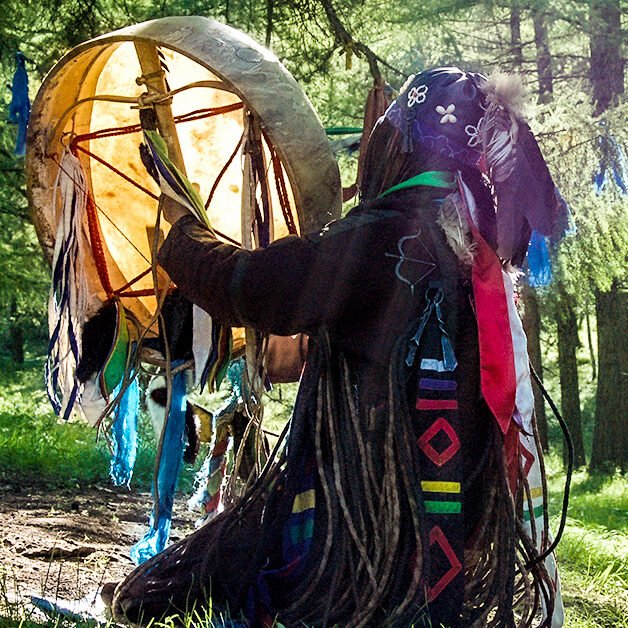
I viaggi sono offerti in forme e contesti diversi: attraverso il ritmo dei tamburi, il tempo di silenzio nella natura, il digiuno e i ritiri ispirati alla visione, il lavoro di respirazione e la meditazione guidata, o il lavoro con gli alleati vegetali e le guide animali. Ci sono molte porte d'accesso al viaggio e ogni persona viene accolta in base a ciò che ritiene appropriato, di sostegno e allineato.
I viaggi possono svolgersi individualmente o in piccoli gruppi. Tutti i viaggi sono attentamente guidati e prevedono un tempo di integrazione. Se necessario, un supporto continuo può continuare nei mesi successivi all'esperienza.
Questo lavoro si svolge all'interno di un contenitore relazionale che valorizza l'accoglienza, la cura, il nutrimento, la presenza condivisa e il calore umano. Il viaggio insieme intreccia la connessione, approfondisce la fiducia e apre uno spazio del cuore in cui l'intuizione, la compassione e la comprensione possono dispiegarsi naturalmente.
I rituali e le pratiche offerte sono supportati dagli insegnamenti ricevuti dagli anziani, dai lignaggi e dalle comunità da cui ho imparato, così come da una relazione rispettosa con gli strumenti e le tradizioni coinvolte. Il lavoro sciamanico non è qualcosa da imparare in fretta o da spiegare a parole: è un percorso vissuto di attenzione, responsabilità e relazione.
Se vi sentite attratti dall'esplorare questo lavoro, siete invitati a contattarci, in modo da poter ascoltare insieme e percepire quale tipo di percorso potrebbe essere adatto a voi.