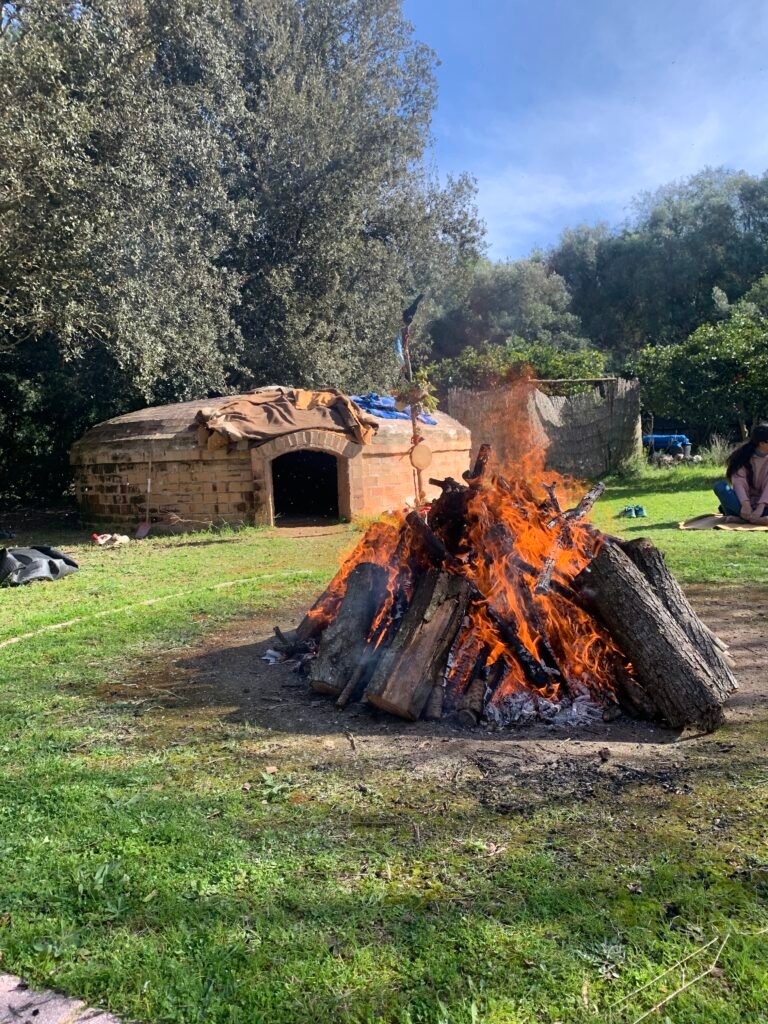
Temazcal deriva dalla lingua nahuatl: temaz che significa “vapore” o “sudore”, e calli che significa “casa”. -Casa del sudore. Nelle tradizioni mesoamericane il temazcal è un pratica cerimoniale utilizzata per la pulizia, il restauro e la transizione.
A livello fisico, il calore e il vapore favoriscono la sudorazione, la circolazione e il rilassamento profondo, spesso accompagnati da infusi di erbe o da trattamenti per il corpo. Il temazcal viene affrontato come una pratica tradizionale e complementare piuttosto che come un trattamento medico.
Dal punto di vista cerimoniale, il temazcal è inteso come una ritorno simbolico al grembo della Madre Terra. Le pietre vulcaniche riscaldate, spesso chiamate anche nonne - portano calore, ritmo e continuità, invitando all'ascolto interiore e alla consapevolezza emotiva all'interno dello spazio buio e chiuso.
Al di là dei suoi effetti fisici, il temazcal offre una esperienza di soglia. Le condizioni di calore, oscurità, ritmo e presenza collettiva possono favorire il rilascio di tensioni, l'emergere di emozioni e la messa in discussione di schemi o credenze abituali. Ogni partecipante rimane responsabile del modo in cui si confronta con ciò che emerge.
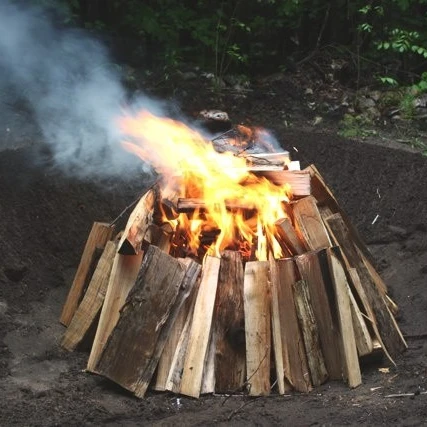
La cerimonia si svolge in quattro turni, o “porte”, spesso associate simbolicamente agli elementi, alle direzioni o alle fasi della vita, e vengono guidate con cura da un guardiano del fuoco che si occupa del fuoco e della preparazione delle pietre.
Un temazcal medicinale può essere offerto con intenzioni specifiche, supportato da erbe, tè o lavoro sul corpo e adattato alle esigenze individuali. Nelle tradizioni messicane, il temazcal è stato utilizzato anche in occasione di transizioni significative della vita, tra cui la gravidanza, il parto e l'assistenza post-partum.